

In our survey of 151 manufacturing leaders, 72% rely on six or more outside sources to staff their plants, 68% get the same workers from more than one agency, and 73% say turnover hurts them significantly or extremely. Only 11% count turnover when they add up what contingent labor really costs.
We sent the survey to the people who carry this work every day: HR directors and CEOs, most of them at companies with more than $100 million in revenue. I expected complaints. What came back was quieter than that, and more telling.
These are capable people running disciplined operations. Their answers describe a hard job made harder by a model that stopped keeping up a long time ago. Here is what they told us, and what I think it means.
151
manufacturing leaders
62%
HR directors (36% CEOs)
67%
at companies over $100M in revenue
38%
with more than 1,000 direct employees
Finding people has become a second job
Eight in ten leaders (80%) told us that finding quality talent is very or extremely challenging. Two-thirds said a direct-hire role takes two weeks or longer to fill. One in six said it takes more than four.
Temporary roles move faster; 72% fill them in one to two weeks. So the machine runs. The question is what it costs to keep it running.
What manufacturers spend each year just to source candidates
Share of respondents, n=151
Almost nine in ten spend more than $100,000 a year to source candidates, and a quarter spend more than half a million. That money is gone before anyone clocks in for a shift.
Six agencies, and the same workers
72%
of manufacturers use six or more agencies, recruiters and other outside sources to staff their plants.
How many third-party sources manufacturers use
Agencies and recruiters, share of respondents, n=151
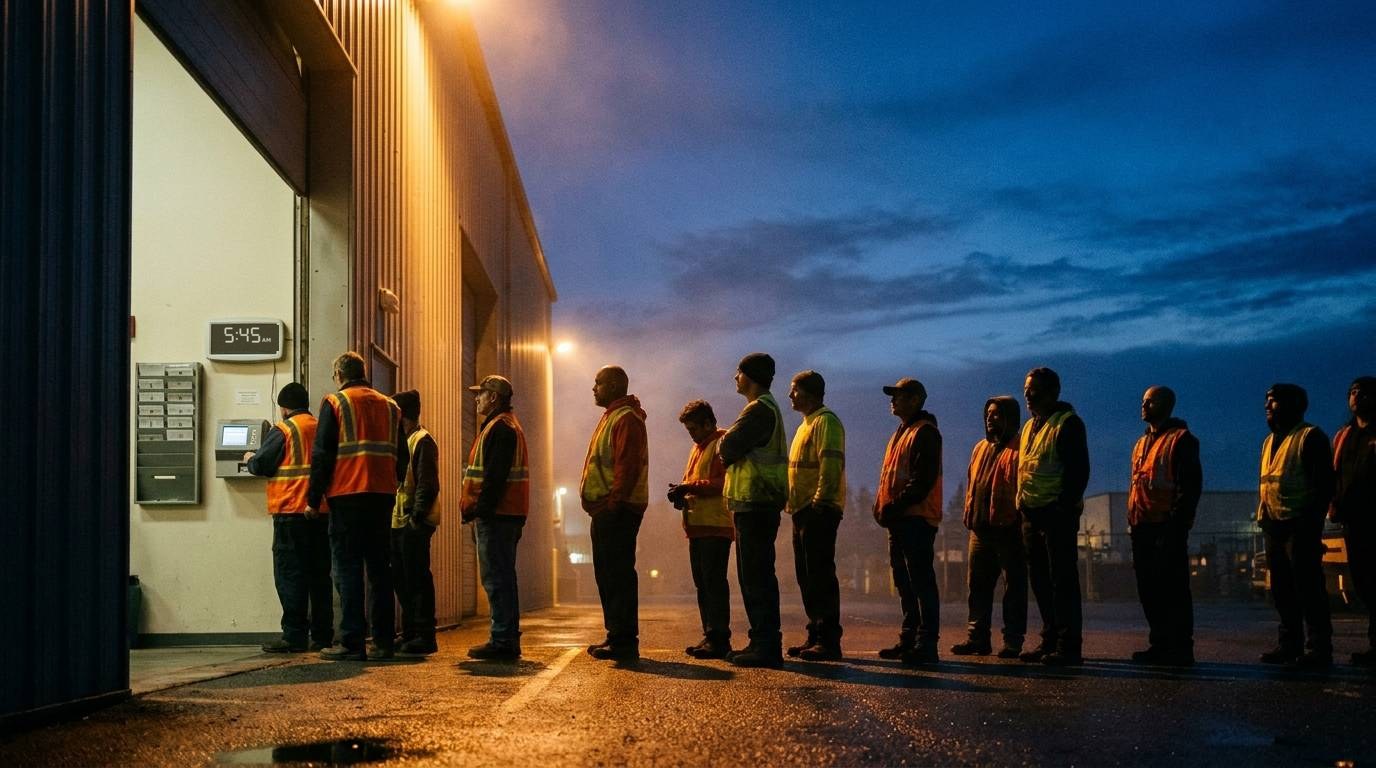
Then came the number that stopped me. 68% said they receive the same workers from multiple agencies. Separate contracts, separate billing, and in many plants some of the same people, represented by more than one vendor.
Nobody designed it this way. Each agency was added to solve a real problem, a peak season or a vendor who stopped returning calls, and each made sense at the time. Together they built something no plant manager would accept on the production floor: a process with a dozen owners and no single view.
The confidence gap
This is the finding I keep coming back to.
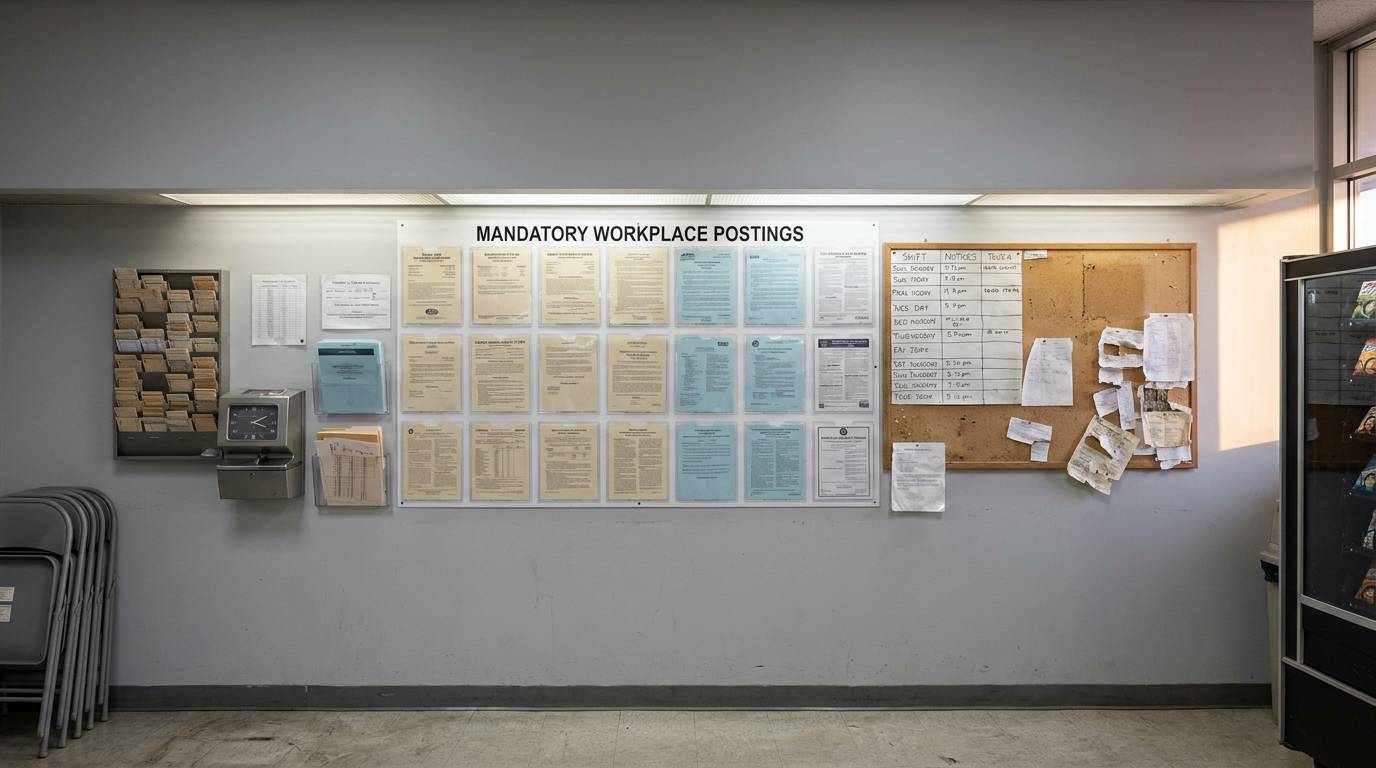
When we asked whether their agencies meet compliance standards, 89% said yes. When we asked about workers’ comp coverage, 96% rated it good or excellent. Those are real votes of confidence. Then we asked what concerns them most about third-party staffing.
What they believe
What worries them
Both sets of answers are honest, and they can’t both be settled. A leader can trust each vendor and still sense that the whole arrangement carries risk nobody is measuring. When compliance is spread across six or ten agencies, no single report shows the total exposure, and you can’t audit what you can’t see in one place.
Fragmentation does this to diligent people. It hands them a stack of reassurances and no way to add them up.
The costs nobody invoices
Every agency sends an invoice with a bill rate on it. It is the easiest number to see and the easiest to argue about. Yet only a third of leaders count the bill rate when they assess the true cost of contingent labor. They know the bigger costs sit somewhere else.
What manufacturers count in the true cost of contingent labor
Select all that apply, share of respondents, n=151
73% · 11%
73% say turnover hurts their company significantly or extremely. Just 11% include it when they calculate what contingent labor costs.
The turnover gap has a plain explanation. Turnover spreads its cost across overtime, retraining, scrap and a supervisor pulled off the line to cover a station, and none of those arrive with a label. The current model has no reason to put one on them.
What they actually want
After all this, you might expect people to want less to do with their vendors. They told us the opposite.
The relationship manufacturers expect with their recruiting sources
Select all that apply, share of respondents, n=151
Only 12% see staffing as a transaction. 84% are very or extremely open to new ways of sourcing talent, and 87% say benefits are very or extremely important to attracting good people. What these leaders are asking for is a partner who stays long enough to understand the plant.
The survey also showed what is working. Four in five say they scale well during peak seasons. The plants run. What wears people down is the cost and the effort of keeping them running.
None of this is your fault
The employment model most plants rely on was built about sixty years ago, for a different labor market and a different California. It has not adapted. We kept adding vendors, systems and workarounds on top of it, and employers were asked to absorb the difference.
A typical company now runs seven to ten separate systems for recruiting, payroll, benefits and risk management. Each keeps its own data. None of them talk to each other well enough to give you one view of what employment costs or where the risk sits.
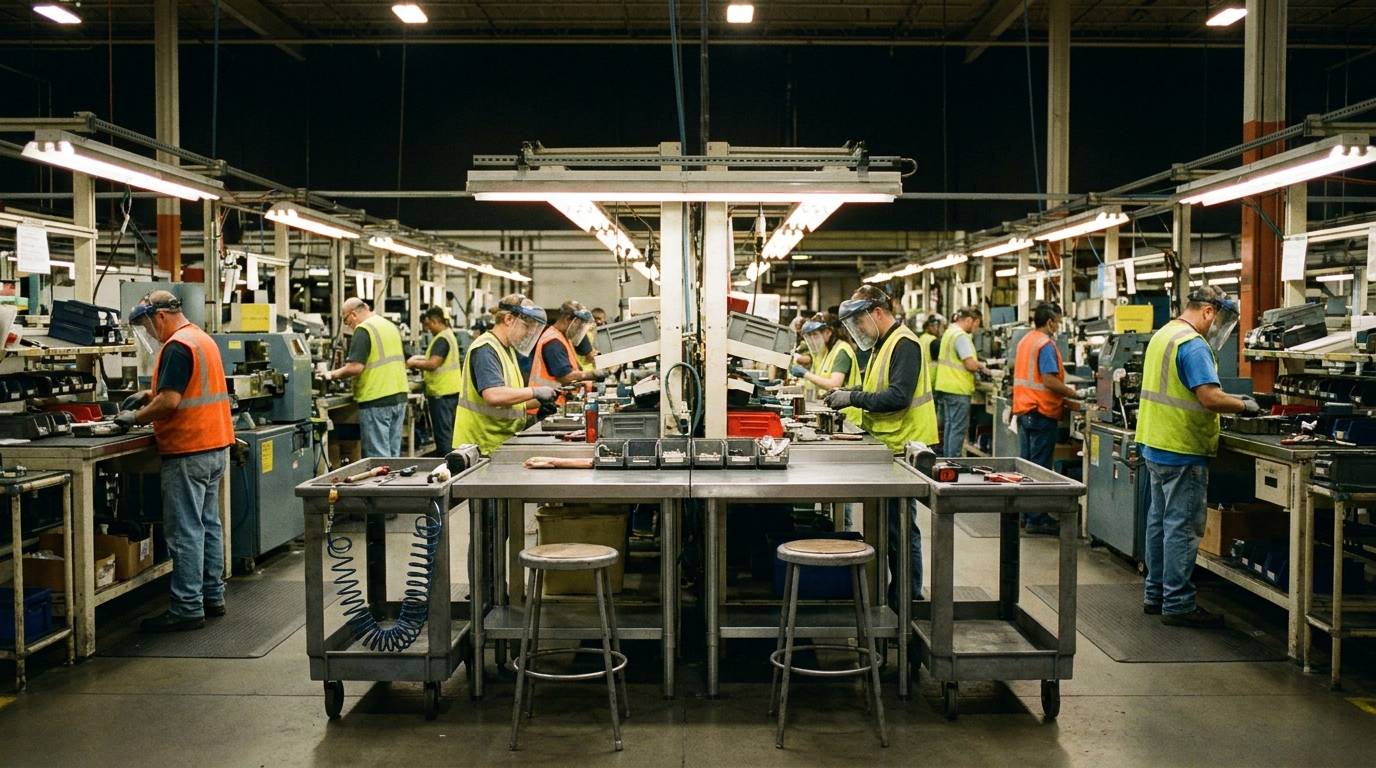
HR teams carry most of that weight. In our survey, HR makes the final staffing decision at 79% of companies. Many of the best HR professionals I know have been turned into full-time recruiters by turnover, and the work they trained for, making the job better for the people doing it, gets whatever time is left.
Brokers and agencies often answer with surface fixes: a new insurance rate, another vendor, another portal. Few spend enough time inside the business to learn why claims run high or why people leave. After enough years of this, employers get used to the faults of the system. That is the part I find hardest to accept.
Employment shouldn’t be a string of transactions with a dozen vendors. It should be infrastructure.
What we built instead
At EmployInsure we started from a different question: what if employment ran on one system, the way a plant runs on one production plan?
We call the answer an Employment Operating System, or EMOS. It rests on what I call Adaptive Workforce Infrastructure, a single platform that brings payroll, benefits, risk management and workers’ comp together so decisions move faster and the reporting finally adds up.
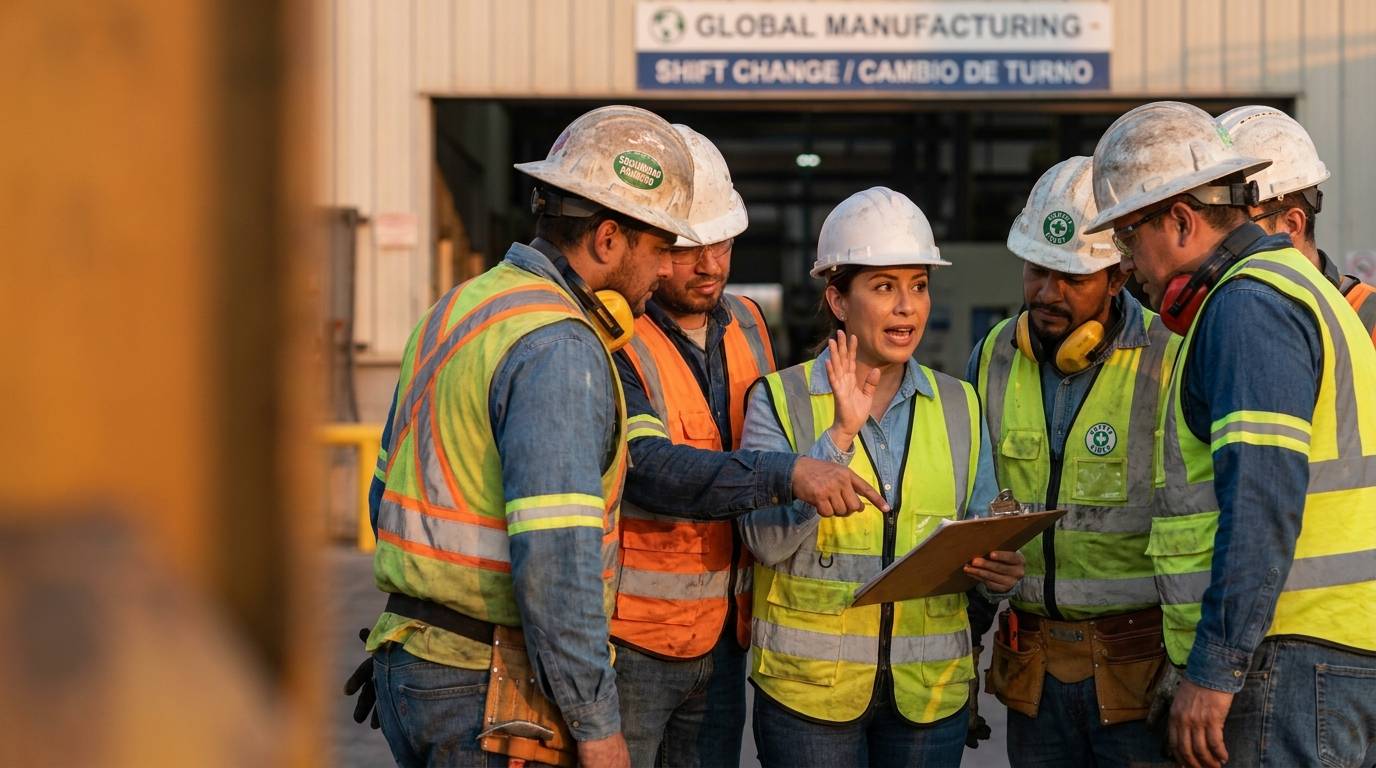
Around that infrastructure sits a Talent Community. Instead of ten agencies competing for the same workers, any recruiter can take part, and everyone works with the same technology and the same rules. The system is built to adapt to the three customers it serves:
We don’t start by selling any of it. We start with a workforce diagnostic. It scores your current employment operations on four measures and shows what reaching a 10 on each one would be worth to your business.
Q
Quality
E
Efficiency
R
Risk
C
Total Cost
Once you can see where the system is failing and what it costs you, the decision gets much simpler. We did the hard part of the rebuild. The first step on your side takes about ten minutes.